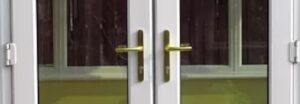
Comprehensive Guide to Door Handle Replacement: A Step-by-Step Approach
Door handles serve not simply as functional components of a home or workplace but likewise contribute substantially to the total visual of a space. With time, door handles can wear out, end up being difficult to run, or perhaps break, necessitating their replacement. Whether you are carrying out regular maintenance, upgrading your home's hardware, or fixing damage, understanding how to correctly replace a door handle can conserve you time and money while boosting your area's look. This short article offers a detailed guide on door handle replacement, covering numerous aspects, tips, and often asked concerns.
Why Replace a Door Handle?
There are several reasons one might consider replacing a door handle:
- Wear and Tear: Frequent usage can lead to deterioration of the handle's material, leading to rough surfaces or non-functional mechanisms.
- Upgrade: Aesthetic upgrades can modernize an area, aligning it with existing style trends or personal choices.
- Security: Damaged handles can compromise the security of a door, making it easier for unauthorized people to get in.
- Performance Issues: If the handle is not operating smoothly, it might need replacement to restore ease of use.
Kinds Of Door Handles
Before starting with the replacement process, it's necessary to understand the various types of door handles available:
- Lever Handles: These are easy to operate and typically preferred for homes with kids and senior people.
- Knob Handles: Traditional and versatile, knob handles been available in different styles and finishes.
- Pull Handles: Commonly utilized for larger doors, these handles concentrate on a pulling action rather than turning.
- Mortise Handles: These are more complex, requiring a mortise, or pocket, cut into the door, using high toughness and security.
- Electronic Handles: Incorporating modern technology, electronic handles provide keyless entry alternatives through codes, biometrics, or mobile phones.
Tools Required for Door Handle Replacement
Having the right tools on hand simplifies the procedure, making it more efficient and less frustrating. For a typical door handle replacement, you will need:
- Screwdriver (flathead and Phillips)
- Allen wrench (if applicable)
- New door handle set
- Tape measure
- Pencil
- Safety glasses (optional)
Step-by-Step Guide for Door Handle Replacement
Now that the foundation is laid out, here's a structured method for replacing a door handle:
Step 1: Remove the Existing Handle
- Loosen the Current Handle: Use a screwdriver to eliminate the screws holding the door handle in location. Depending upon the type of handle, you may require to eliminate screws from both sides of the door.
- Remove the Backplate and Latch: After getting rid of the screws, gently manage the handle and the backplate (if appropriate). If a latch is attached, unscrew and detach it from the edge of the door.
Step 2: Prepare the Door
- Check the Door: Check for any damages like scratches or dents that may require a repair or repainting.
- Clean the Area: Use a cloth to wipe down the location where the brand-new handle will be installed. This makes sure a tidy installation.
Step 3: Install the New Handle
- Position the New Latch: Insert the new lock mechanism into the edge of the door, ensuring that it's flush with the door surface. Secure it with screws.
- Connect the Backplate: If your new handle has a backplate, protect it in place now.
- Place the New Handles: Take the new handle set and insert it through the holes, aligning them with the latch you simply installed. Make sure that the handle turns clockwise or counterclockwise as needed.
- Protect the Handles: Tighten with the screws to ensure stability. Avoid over-tightening, as this can harm the door or the handle.
Step 4: Test the New Handle
Once the brand-new handle is protected, take a minute to check its functionality:
- Turn the Handle: Ensure it moves smoothly and operates the lock correctly.
- Check the Door Security: Ensure the door locks and opens efficiently if geared up with a lock.
Step 5: Final Touches
- Tidy up: Remove any debris and discarded parts from your work space.
- Perform a Functionality Check: Go through all actions when again to make sure everything runs correctly.
Tips for a Successful Replacement
- Select Quality Materials: Opt for resilient products that can withstand wear and enhance your design.
- Think About User Needs: If young kids or senior people will often use the door, opt for lever handles over knobs.
- Follow Manufacturer Instructions: Always read and comply with the installation guidelines provided with the brand-new door handle.
Often Asked Questions (FAQs)
1. Just how much does it cost to replace a door handle?
Costs can differ extensively depending upon the type of door handle and the complexity of the installation. Standard knob handles might start at around ₤ 10, while higher-end lever handles or wise locks can exceed ₤ 100.
2. Can I change a door handle myself?
Yes, if you have fundamental DIY skills and tools, replacing a door handle is an uncomplicated job that many homeowners can achieve with ease.
3. What if the new handle doesn't fit?
It's vital to select the proper size and design based on your existing door handle setup. Repair My Windows And Doors -check measurements before buying and consult a professional if necessary.
4. How frequently should door handles be replaced?
There's no strict timeline for replacing door handles. Nevertheless, examining them every couple of years for wear and performance is a good idea.
5. Is it possible to re-key the brand-new handle?
Some door handle sets included re-keying capabilities. If security is an issue, think about choosing a handle that allows re-keying to change the existing crucial setup.
Replacing a door handle is an achievable DIY project that can boost both the performance and look of your doors. By following the described actions and using the tools and tips offered, property owners can efficiently manage this job, eventually improving their home. As constantly, when in doubt, looking for professional aid is advisable to guarantee a secure and functional outcome.